🌌 Night Sky Observation – Discover the Wonders Above
Night Sky Observation is one of the most fascinating ways to explore the universe from Earth. With the help of telescopes, expert guidance, and a clear, dark sky, anyone can witness planets, stars, galaxies, and cosmic events that exist millions of light-years away. Whether you’re an astronomy enthusiast, a student, or simply someone curious about the universe, night sky observation offers a magical and educational experience.
🔭 What is Night Sky Observation?
Night Sky Observation is the practice of observing celestial objects and astronomical events with the naked eye or using telescopes and binoculars. It helps people explore:
Stars and constellations
The Moon’s craters and surface features
Planets like Jupiter, Mars, Saturn & Venus
Deep-sky objects such as galaxies, nebulae & star clusters
Meteors, comets & cosmic dust trails
Eclipses, conjunctions & rare celestial events
This activity allows us to connect with the universe and understand the science behind astronomical phenomena.
🌠 Why Night Sky Observation is Important
⭐ Educational Value
It helps students and learners understand astronomy, physics, space science, and the structure of the universe.
⭐ Inspiring & Eye-Opening
Seeing Saturn’s rings, Jupiter’s moons, or the Milky Way with your own eyes creates unforgettable memories.
⭐ Stress-Free & Enjoyable
Stargazing is peaceful, calming, and perfect for families, couples, and groups.
⭐ Boosts Scientific Interest
Night sky observation encourages curiosity, scientific thinking, and exploration.
🔭 What You Can See During Night Sky Observation
Depending on the time of year and sky conditions, you can observe:
🌕 The Moon
Craters, valleys, mountains, and more.
🪐 Planets
Jupiter’s bands & moons
Saturn’s rings
Mars’ reddish glow
Venus’ phases
Mercury near the horizon
💫 Deep-Sky Objects
Star clusters
Nebulae
Spiral & elliptical galaxies
Milky Way star clouds
🌑 Special Events
Meteor showers
Lunar & solar eclipses
Planetary transits
Conjunctions & alignments
Comet sightings
⭐ The Perfect Environment for Night Sky Observation
To enjoy the best stargazing experience, the ideal conditions include:
Clear skies
Low light pollution
Minimal atmospheric disturbance
High-quality telescopes
Knowledgeable guides or astronomers
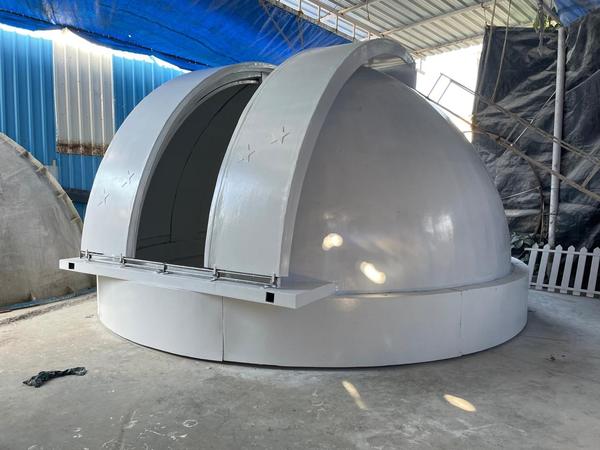
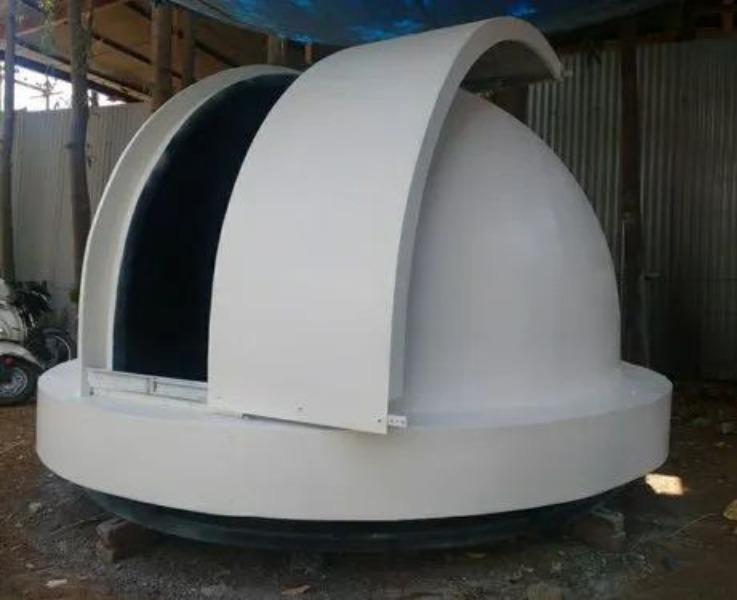
Observatories and dark-sky locations provide the best visibility and educational support.
🌌 Night Sky Observation for All Ages
Night sky observation is suitable for:
Students & researchers
Families & kids
Astronomy hobbyists
Photographers
Tourists & travelers
Science clubs & groups
It combines learning, entertainment, and exploration in a safe and enjoyable environment.
📸 Astrophotography Opportunities
With long-exposure photography, you can capture:
Star trails
Nebulae & galaxies
Moon and planetary images
Milky Way panoramas
Celestial event photos
Night sky observation often includes guidance for beginners in astrophotography.
Night Sky Observation is one of the most fascinating ways to explore the universe from Earth. With the help of telescopes, expert guidance, and a clear, dark sky, anyone can witness planets, stars, galaxies, and cosmic events that exist millions of light-years away. Whether you’re an astronomy enthusiast, a student, or simply someone curious about the universe, night sky observation offers a magical and educational experience.
🔭 What is Night Sky Observation?
Night Sky Observation is the practice of observing celestial objects and astronomical events with the naked eye or using telescopes and binoculars. It helps people explore:
Stars and constellations
The Moon’s craters and surface features
Planets like Jupiter, Mars, Saturn & Venus
Deep-sky objects such as galaxies, nebulae & star clusters
Meteors, comets & cosmic dust trails
Eclipses, conjunctions & rare celestial events
This activity allows us to connect with the universe and understand the science behind astronomical phenomena.
🌠 Why Night Sky Observation is Important
⭐ Educational Value
It helps students and learners understand astronomy, physics, space science, and the structure of the universe.
⭐ Inspiring & Eye-Opening
Seeing Saturn’s rings, Jupiter’s moons, or the Milky Way with your own eyes creates unforgettable memories.
⭐ Stress-Free & Enjoyable
Stargazing is peaceful, calming, and perfect for families, couples, and groups.
⭐ Boosts Scientific Interest
Night sky observation encourages curiosity, scientific thinking, and exploration.
🔭 What You Can See During Night Sky Observation
Depending on the time of year and sky conditions, you can observe:
🌕 The Moon
Craters, valleys, mountains, and more.
🪐 Planets
Jupiter’s bands & moons
Saturn’s rings
Mars’ reddish glow
Venus’ phases
Mercury near the horizon
💫 Deep-Sky Objects
Star clusters
Nebulae
Spiral & elliptical galaxies
Milky Way star clouds
🌑 Special Events
Meteor showers
Lunar & solar eclipses
Planetary transits
Conjunctions & alignments
Comet sightings
⭐ The Perfect Environment for Night Sky Observation
To enjoy the best stargazing experience, the ideal conditions include:
Clear skies
Low light pollution
Minimal atmospheric disturbance
High-quality telescopes
Knowledgeable guides or astronomers
Observatories and dark-sky locations provide the best visibility and educational support.
🌌 Night Sky Observation for All Ages
Night sky observation is suitable for:
Students & researchers
Families & kids
Astronomy hobbyists
Photographers
Tourists & travelers
Science clubs & groups
It combines learning, entertainment, and exploration in a safe and enjoyable environment.
📸 Astrophotography Opportunities
With long-exposure photography, you can capture:
Star trails
Nebulae & galaxies
Moon and planetary images
Milky Way panoramas
Celestial event photos
Night sky observation often includes guidance for beginners in astrophotography.
Keywords